
How Retailers Can Source Beverages at Wholesale Prices
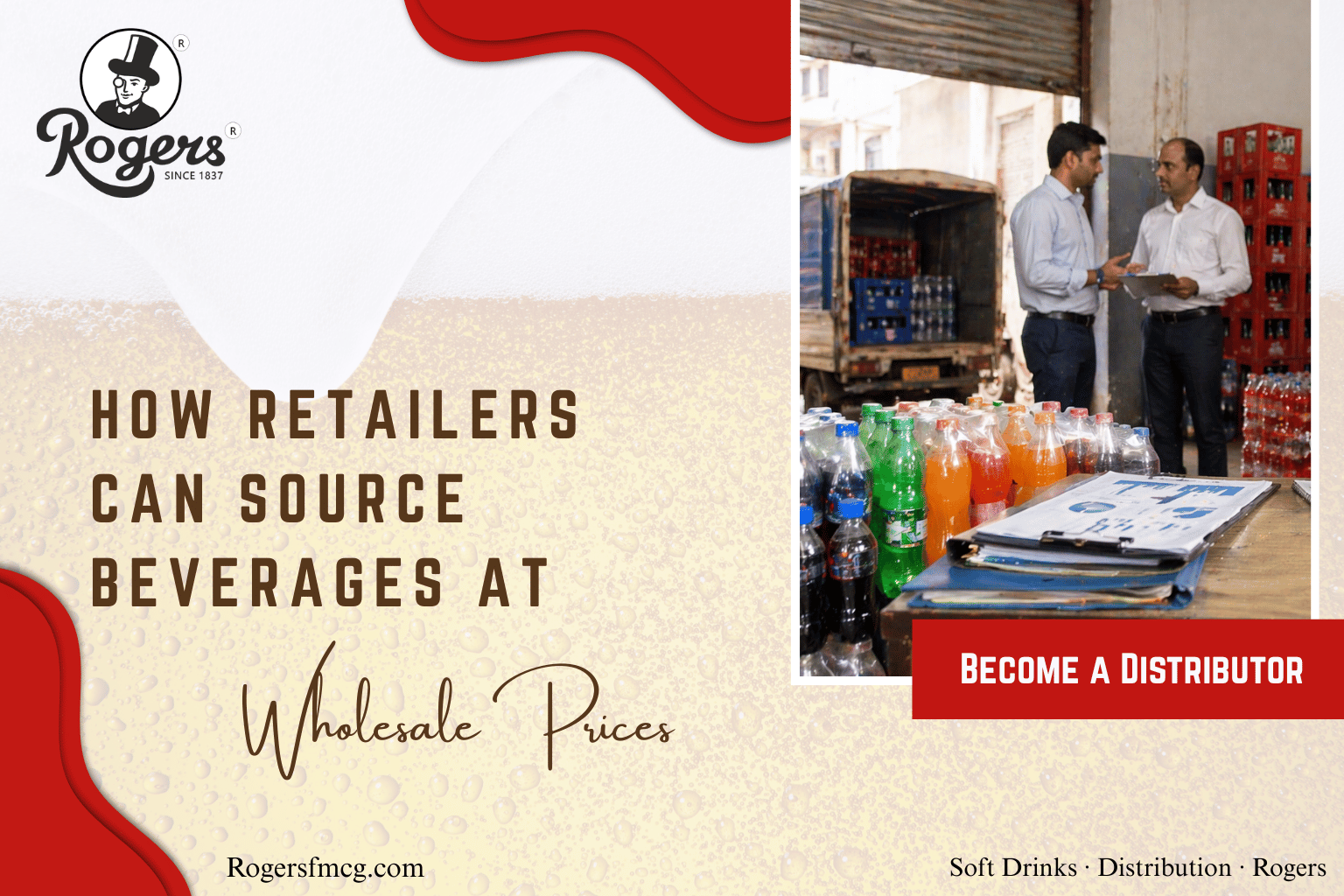
If you’re running a retail store, restaurant, café, or any food and beverage business, one thing is always on your mind — keeping costs low while keeping shelves stocked. Beverages are one of the highest-volume product categories in retail, which means how you source them directly impacts your margins.
Retailers today are not just competing on product variety. They are also competing on price, availability, delivery speed, and customer satisfaction. That’s why choosing the right wholesale beverage distributors is more important than ever.
The Importance of Wholesale Beverages Sourcing
The profit you make on buying drinks at retail prices is so little. Retailers who buy wholesale are able to get products in bulk at a much lower price. This provides better margins and enables businesses to compete in the market.
Also, wholesale sourcing provides retailers with:
- Keep a constant stock level
- Additional beverage brand choices
- Cut supply chain disruptions
- Bulk order discount
- Improve delivery efficiency
- More momentum in the trending beverage
The right supplier relationship can directly affect business growth.
1. Understand the Supply Chain First
Before you start calling distributors, it helps to know how beverages go from the manufacturer to the shelf:
Manufacturer → Wholesale Distributor → Retailer → Consumer
Some big brands have their own distribution wings. Some are completely dependent on third-party wholesale beverage distributors. Once you know where your supplier fits in this chain, you can then figure out just how competitive their pricing really is. The closer to the source, the better price you can get.
2. Find the Right Wholesale Beverage Distributors
Not all distributors are the same. Here’s how to find ones worth your time:
Trade directories and B2B platforms are a good place to start. Verified FMCG suppliers on platforms that connect you, enable you to filter by category, region and minimum order size — saving you hours of cold-calling.
Industry trade shows are underrated. Events focused on food and beverage bring together hundreds of distributors under one roof. You get to sample products, negotiate face-to-face, and often lock in better rates than you’d find online.
Word of mouth still works. Talk to other retailers in non-competing areas. Ask who they use, who delivers on time, and who to avoid. The retail community is more open than you’d think.
FMCG-based platforms like RogersFMCG are helping connect retailers with trusted distributors, making it easier to source a variety of beverages — from soft drinks and juices to water, energy drinks and more — from one source.
3. Understand What a Distributor Will Do
When you have a few choices, consider them on these points:
- Pricing structure — Is it a flat wholesale rate, or does pricing depend on volume? Always ask for a tiered pricing sheet. The more you buy, the better you should get a per-unit cost.
- Minimum order quantities (MOQs) — Most distributors will want you to place large orders upfront. Make sure their MOQs match your storage capacity and cash flow.
- Product range — A distributor who carries multiple beverage brands saves you from managing five different supplier relationships. Look for range and depth.
- Delivery reliability — Late deliveries mean empty shelves. Ask about their delivery schedules, lead times, and what happens when something goes wrong.
- Credit terms — Can you pay on 30-day terms? This matters a lot for smaller retailers managing tight cash flow.
4. Negotiate Like It’s Expected (Because It Is)
Many retailers, especially newer ones, take the first price they’re quoted. Don’t.
Wholesale distributors expect negotiation. Start with your projected monthly volume and ask what pricing they can offer at that level. If you’re thinking about growing, share that as well. Distributors want long-term relationships, and many will give you better rates up-front to earn your loyalty.
Also ask about:
- Discount pricing — many distributors have seasonal deals
- Free fills — a set of products for free when listing a new brand
- Returns policy — essential for beverages with shorter shelf lives
5. Don’t Rely on One Distributor for All Your Stock
This is a mistake retailers make all the time. One wholesaler for beverages sounds simple, but it’s a risk. If they have a supply issue, run out of stock, or raise prices suddenly, your business takes the hit.
Keep at least two or three reliable distributor relationships active. It gives you negotiating leverage and a backup when things go sideways.
6. Look at Margins, Not Just Price
The lowest wholesale price is not always the best. Think about:
- Delivery costs — slightly more per case, but free delivery may end up saving you more
- Wastage — lower quality stock or short-dated stock eats into your margin
- Sell-through rate — A product that sells fast at a mid-level wholesale price is better than a product that sells slowly at the lowest price
Crunch the numbers before you go buy large orders of anything new.
Final Thoughts
It’s all about developing the right relationships and knowing the right channels to get beverages at wholesale prices. Work with established wholesale beverage distributors, negotiate with confidence, diversify your supplier base, and always factor total cost, not just unit price, into your buying decisions.
No matter whether you are filling a convenience store, hotel mini bar, or expanding a supermarket franchise, securing the proper beverage suppliers is definitely one of the best investments that you could make. Services like Rogers FMCG will ensure that this is made easy for you by providing connections to distributors in the beverage industry.
Frequently Asked Questions (FAQs)
Q: What are wholesale beverage distributors?
Companies that buy beverages in bulk from manufacturers and resell them to retailers at discounted prices.
Q: Can small retailers buy beverages at wholesale prices?
Yes, many distributors work with small retailers, especially if you commit to regular orders.
Q: Are wholesale beverage prices negotiable?
Yes, as per the volume, loyalty, and long-term commitment all give you room to negotiate better rates.